The Baobab Tree
December is a vibrant and significant month for the Humbi community in Angola’s Cunene
region. During this time, families organize “EFIKO,” a traditional wedding ceremony. The
celebrations include the slaughtering of cows, brewing of traditional drinks, and the playing of
beautiful traditional music. It is also the period when teenage girls are given in marriage.
celebrations include the slaughtering of cows, brewing of traditional drinks, and the playing of
beautiful traditional music. It is also the period when teenage girls are given in marriage.
The Humbi community has organized the “EFIKO” for ten teenage girls from various
homesteads, including Nehova Yanhenge. Typically, the girls are not informed about the
“EFIKO” in advance; they are secretly summoned, and a white special powder is thrown in their
faces to weaken them and prevent escape, as some girls feel apprehensive and resistant to the
idea of being given in marriage particularly to older men.
Nehova Yanhenge had heard whispers about the “EFIKO” but didn’t expect it to be her turn yet,
as her breasts hadn’t fully developed, which is one of the physical signs the village elders
consider, despite her having started her periods. Secretly, her grandmother arranged for her to
participate in the “EFIKO.” Five cows were slaughtered for the ceremony: two from five girls in
the same village, one from Nehova’s family, and two from other villages.
All ten girls were secretly summoned, unaware that they
had been chosen for the “EFIKO.” Nehova Yanhenge was
also called into her grandmother’s hut. Her grandmother
knew that Nehova would resist being given in marriage and
might try to escape, as Nehova had dreams of studying,
getting a job, and having a beautiful white wedding.
Suddenly, Nehova felt something thrown on her face—it
was the white powder. Nehova started to feel dizzy and fell
to the ground.
After a few hours, the girls regained consciousness. Nehova
woke up to find herself dressed in beautiful African print
traditional attire. The elderly women had groomed her,
wrapping a long piece of fabric around her waist and adorning her waist with colorful beads.
Her chest was covered with beads arranged in a crisscross pattern. They had styled her hair into
two large cornrow braids, decorated with beads and smeared with cow fat to give off a
pleasant scent. Her wrists were adorned with bracelets made from the skin of the cows she had
seen slaughtered earlier.
Nehova was unhappy with the entire arrangement, as she had other dreams and plans for her
life. The next day, the brides, including Nehova and the other nine girls, now called “VA FIKO,”
were placed in a hut. They sat in a long row with their “katwandolos” (similar to bridesmaids) in
front of them, as per tradition. It was now time for people to see who the “VA FIKO” were.
According to tradition, the men seeking brides and guests who paid a contribution could enter
to see the girls’ faces.
One evening, Nehova and her katwandolo decided to
flee into the bush because she didn’t want to marry the
man who had paid her lobola price. They ran for miles
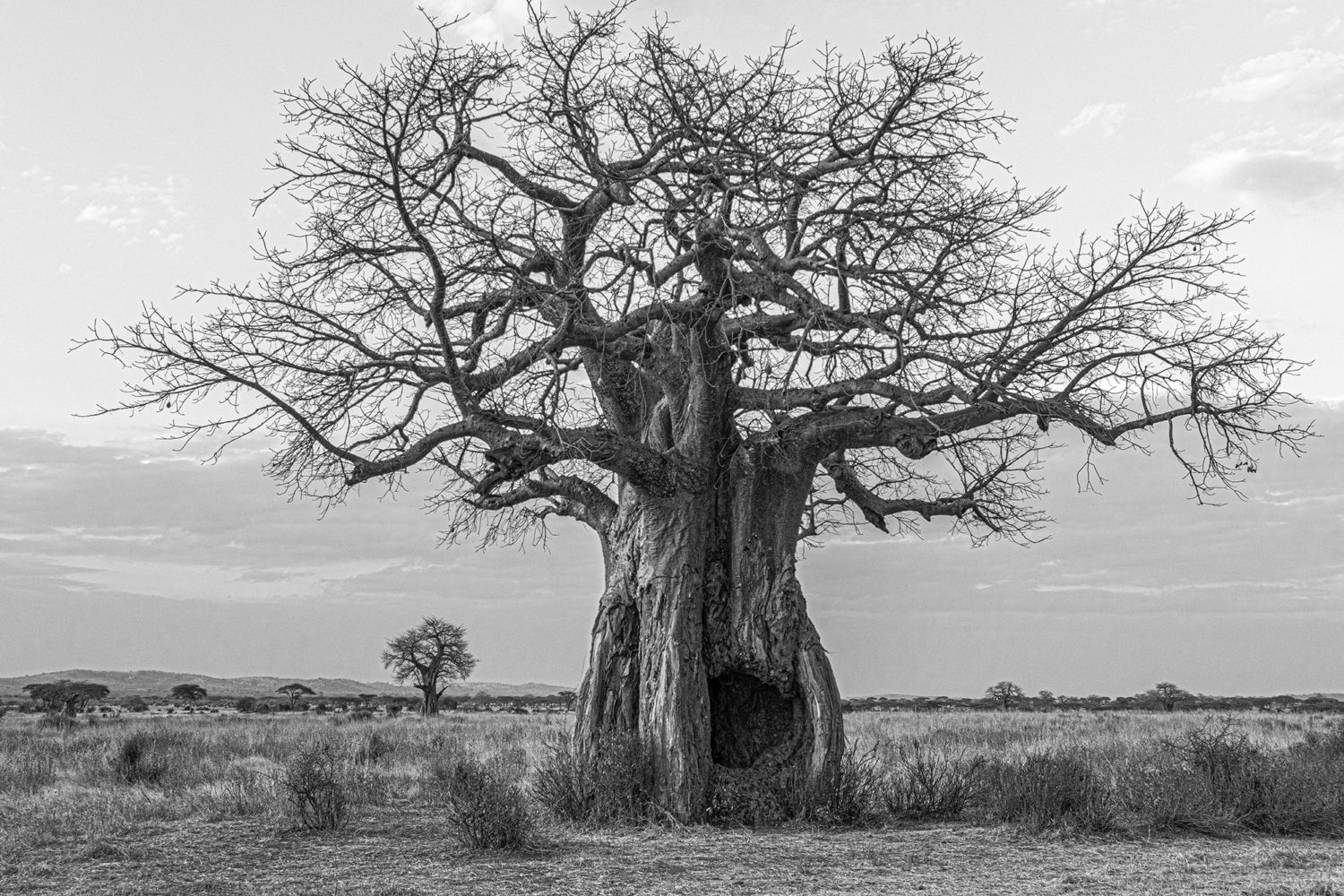
and eventually rested under a baobab tree. This tree was
known for its legend that if someone sat under it, its
large branches would close up and trap them inside. This
is exactly what happened to Nehova, they were trapped
by the baobab tree.
They screamed for help, but no one was around to hear them. their families searched for them,
fearing they had been attacked by the “MAKIXI” (monsters) and believing they had been killed.
Weeks passed with no sign of the girls. One day, an elderly woman went to the bush to collect
firewood. She found some branches near the baobab tree, but they were infested with
termites. As she shook off the termites, she heard sounds
coming from deep within the baobab tree. She heard a girl
singing, “ove kakulukandi ove puh puh, nkele wapumina nale
pupu ketuhekule keumbo pupu kutya omukwa walya Nehova
Yanhenge puh puh.” When the singing stopped, the elderly
woman realized that the girl, who had been declared dead by
her family in Mulondo village, was actually alive. Terrified and
shocked, she quickly ran back to the village to inform the
parents of the girls. Unfortunately, no one believed her, and
they cursed her, accusing her of being mad or a witch.
Some days later, the elderly woman, she decided to return to the same spot. She shook the
branches again, and with weak voices, the girls started singing once more. This time, another
person collecting wood witnessed the singing.
Both of them ran back to the village to report
that the girls were alive. This time, the villagers
believed the elderly woman. They went to the
baobab tree, cut off the branches, and found the
missing girls. The families were overjoyed.
by :Andriana Lylyene Felas


Beautiful story indeed
ReplyDelete